1. A City That Refuses to Stay Silent
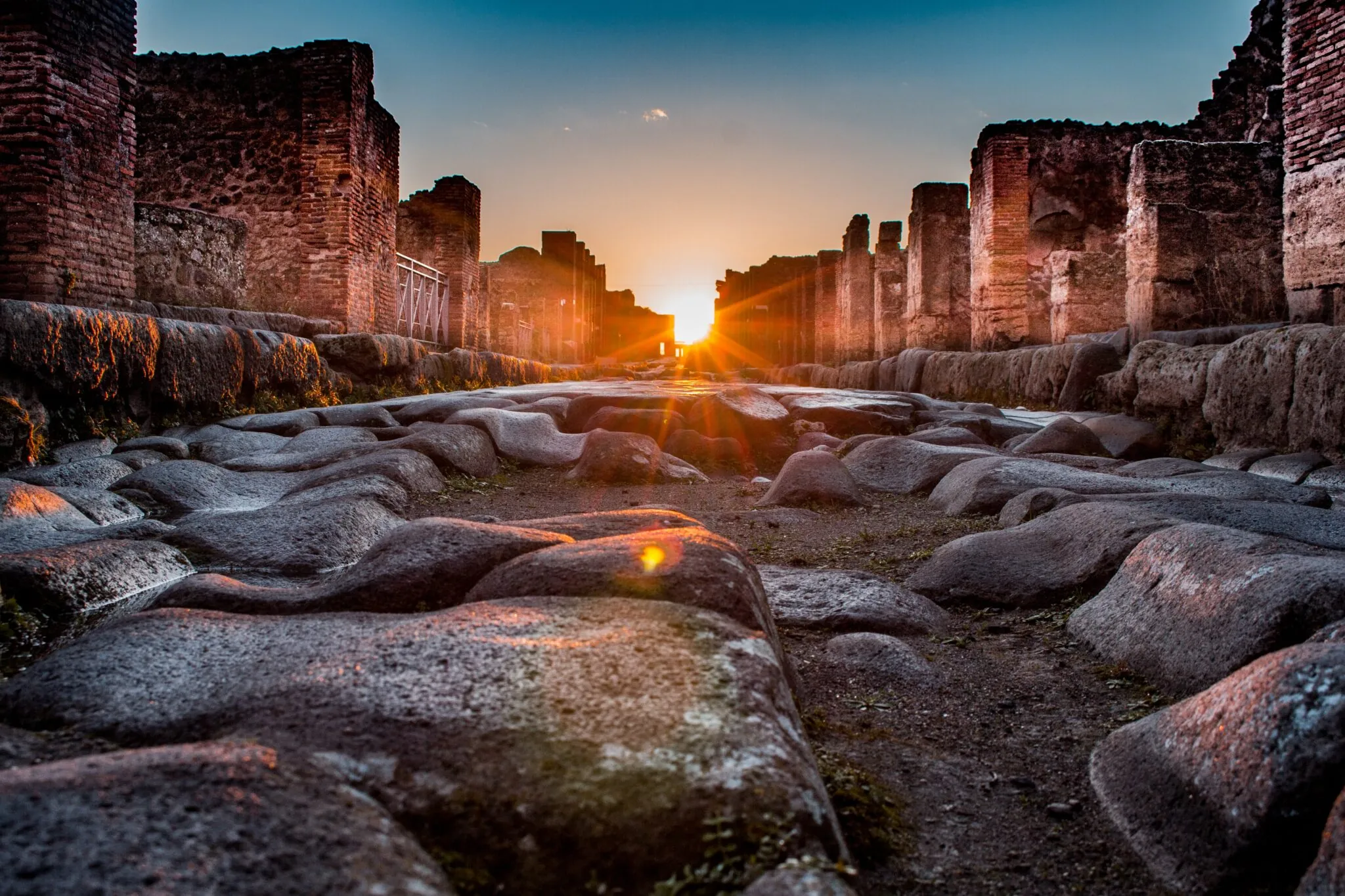
Nearly two thousand years after the catastrophic eruption of Mount Vesuvius in 79 AD, excavations at Pompeii continue to generate discoveries that feel remarkably contemporary. Far from being a static archaeological park, Pompeii has become one of the most dynamic research sites in the world. Each new excavation season peels back another layer of volcanic ash, revealing scenes of Roman life preserved with astonishing clarity and immediacy.
2. Theatrical Frescoes and Elite Self-Representation
Among the most striking recent finds are expansive frescoes uncovered in newly excavated banquet halls. Painted in deep reds and blacks, these large-scale mythological scenes depict gods, heroes, and dramatic encounters staged with almost cinematic intensity. The scale and sophistication of the artwork suggest that wealthy homeowners deliberately curated immersive environments to impress guests. These spaces were not merely decorative; they were instruments of social performance, broadcasting education, cultural refinement, and status through visual spectacle.
3. The Enigmatic “Black Room”
One of the headline discoveries is a remarkably preserved chamber whose dark walls enhance the luminosity of its painted figures. Archaeologists believe this “black room” functioned as an evening dining space, where oil lamps would have animated the frescoes with flickering light. The interplay between shadow and color must have created a dynamic and almost theatrical ambiance. This find highlights the Romans’ advanced understanding of atmosphere and spatial design, transforming a domestic interior into a multisensory experience.
4. Lives Behind the Grandeur
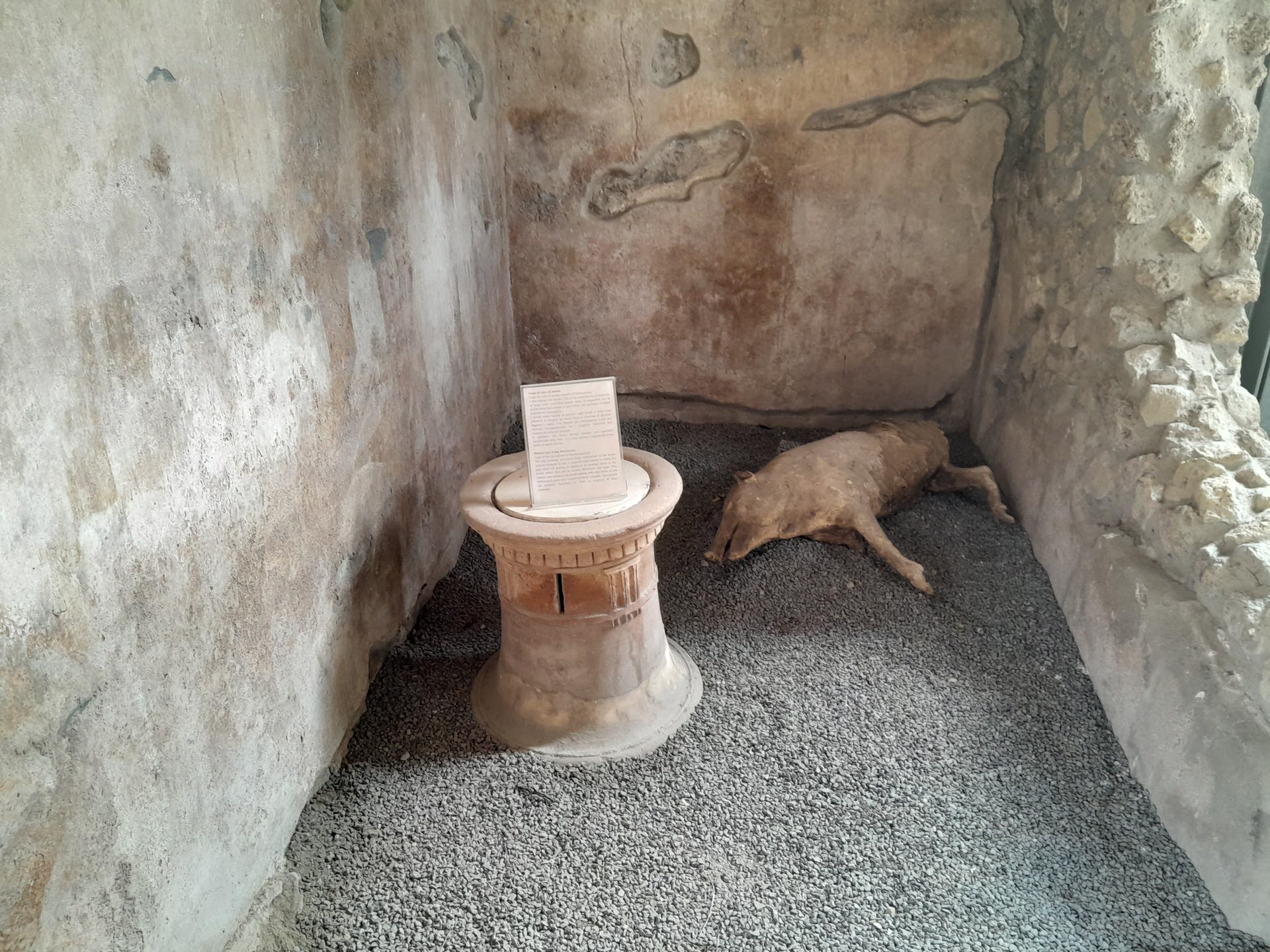
Recent excavations have also focused on more modest service quarters, offering a crucial counterpoint to elite luxury. In these rooms, simple wooden beds, storage amphorae, and everyday utensils were discovered intact. The stark contrast between opulent reception halls and austere sleeping spaces reveals the rigid social hierarchies embedded in Roman domestic architecture. These findings humanize Pompeii, emphasizing that the city was sustained by labor and structured by inequality as much as by wealth and artistic ambition.
5. Voices from the Walls
Newly uncovered inscriptions and graffiti provide intimate glimpses into daily life. Scratched into plaster walls, these spontaneous texts include jokes, political slogans, advertisements, and personal reflections. Unlike formal inscriptions, they capture unfiltered voices and immediate concerns. Such discoveries expand our understanding of literacy, civic engagement, and social dynamics in the first century. Through these markings, the city regains its soundscape—its debates, humor, rivalries, and everyday conversations.
6. Technology, Preservation, and the Future of Research
Advanced methodologies are redefining how Pompeii is studied and preserved. Refined plaster-casting techniques now produce highly detailed reconstructions of victims, while 3D scanning and forensic analysis allow scholars to examine posture, clothing, and context with unprecedented precision. Excavation strategies increasingly integrate conservation science, volcanology, and digital modeling to ensure long-term protection of newly exposed structures. Pompeii has evolved into a global laboratory for archaeological best practices, demonstrating that even a city buried in antiquity can continue to reshape modern historical knowledge.
Together, these latest discoveries reveal a Pompeii that is far more than a symbol of sudden destruction. It is a living archive of Roman society—complex, theatrical, unequal, and profoundly human—still unfolding beneath the shadow of Vesuvius.