The Cataclysm of Pompeii: The Eruption of Mount Vesuvius in 79 AD
In the summer of 79 AD, life in the prosperous Roman cities of Pompeii and Herculaneum carried on as usual. Merchants bartered in bustling marketplaces, children played in the streets and citizens enjoyed the luxuries of Roman civilization. Just beyond the city limits, an ominous giant loomed—a titan of nature that had remained dormant for centuries. Mount Vesuvius, a seemingly benign mountain, was about to unleash one of the most catastrophic volcanic eruptions in recorded history, forever altering the course of human understanding of natural disasters.
Signs of Impending Doom
Though the eruption of Mount Vesuvius caught many by surprise, there were warning signs in the years leading up to the disaster. In 62 AD, a massive earthquake rocked the region, causing significant damage to Pompeii and surrounding settlements. The Romans, skilled engineers though they were, rebuilt their city, unaware that this tremor was a prelude to something far more destructive.
In the days preceding the eruption, strange occurrences began unsettling the populace. Animals grew agitated, wells and fountains mysteriously dried up, and minor tremors rattled the streets. Yet, no one could foresee the calamity about to unfold.
The Day the Sky Turned to Fire
On October 24, 79 AD, at approximately noon, Vesuvius erupted with terrifying force. A towering column of smoke, ash, and pumice rock spewed miles into the sky, forming what the Roman historian Pliny the Younger later described as a “pine tree” shape. The cloud darkened the sun, plunging the region into an eerie twilight.
At first, the citizens of Pompeii and Herculaneum were confused rather than panicked. Ash and debris rained down, blanketing the streets, but many believed they were merely experiencing another tremor. However, as the eruption intensified, roofs collapsed under the weight of volcanic material, and breathing became difficult due to the thickening ash-filled air.
For those in Herculaneum, initial relief turned to horror. Unlike Pompeii, which suffered from falling debris, Herculaneum was buried under a searing pyroclastic surge—a deadly wave of hot gas and volcanic matter traveling at speeds of up to 100 miles per hour. This superheated avalanche incinerated everything in its path almost instantaneously, preserving bodies and buildings in a haunting state of suspended animation.
The Final Moments of Pompeii
Throughout the night and into the next day, the eruption continued unabated. Those who remained in Pompeii suffered an agonizing fate. As the volcano unleashed a series of pyroclastic flows, many residents were suffocated by toxic gases or buried alive under tons of ash. Excavations of the city have revealed haunting plaster casts of victims—men, women, and children frozen in their final moments of despair.
By the morning of October 26th, the thriving cities of Pompeii and Herculaneum had ceased to exist. Where once stood vibrant communities, only a landscape of desolation remained. Vesuvius had wiped out entire civilizations in two days.
Rediscovering a Lost World
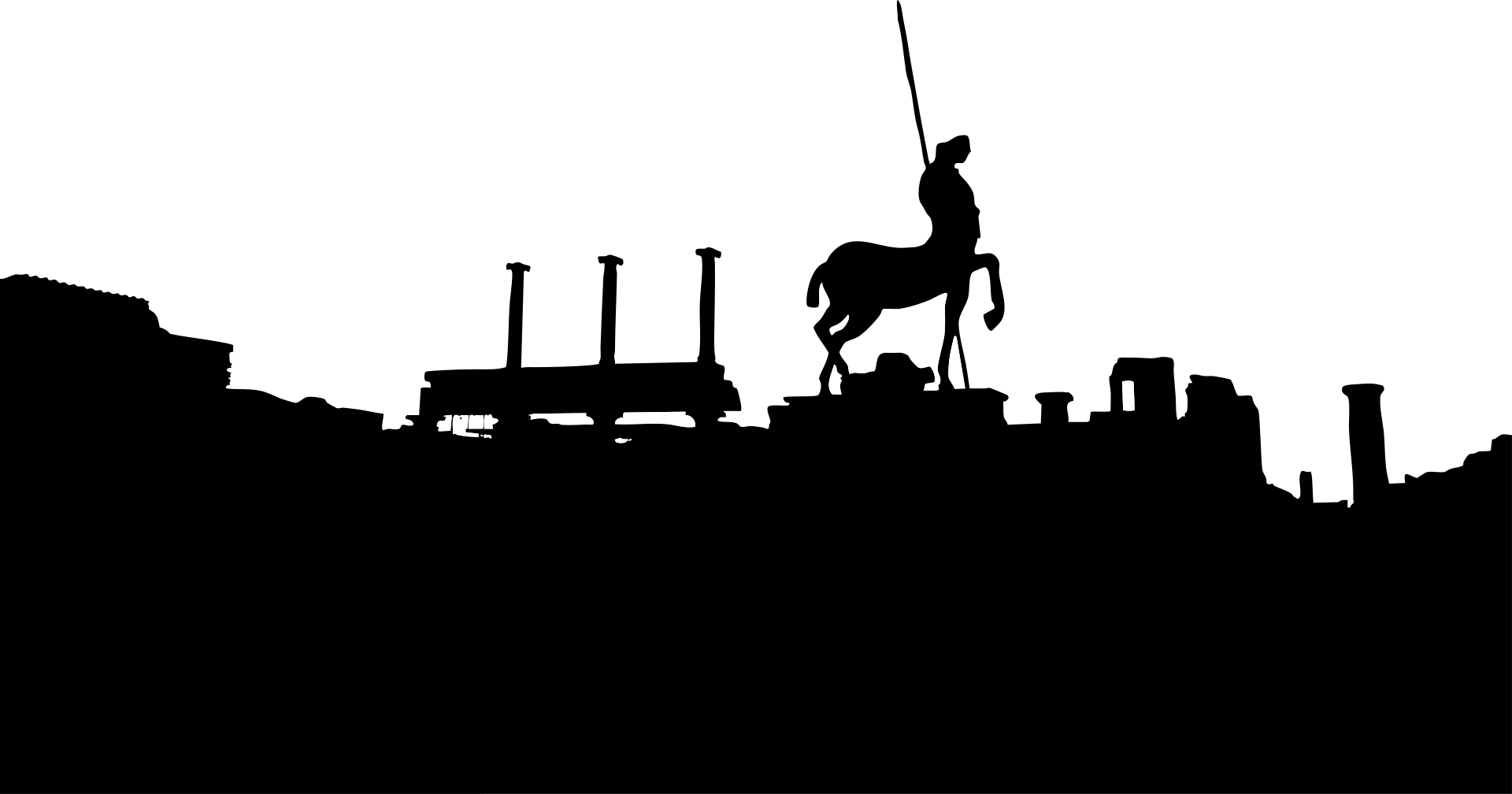
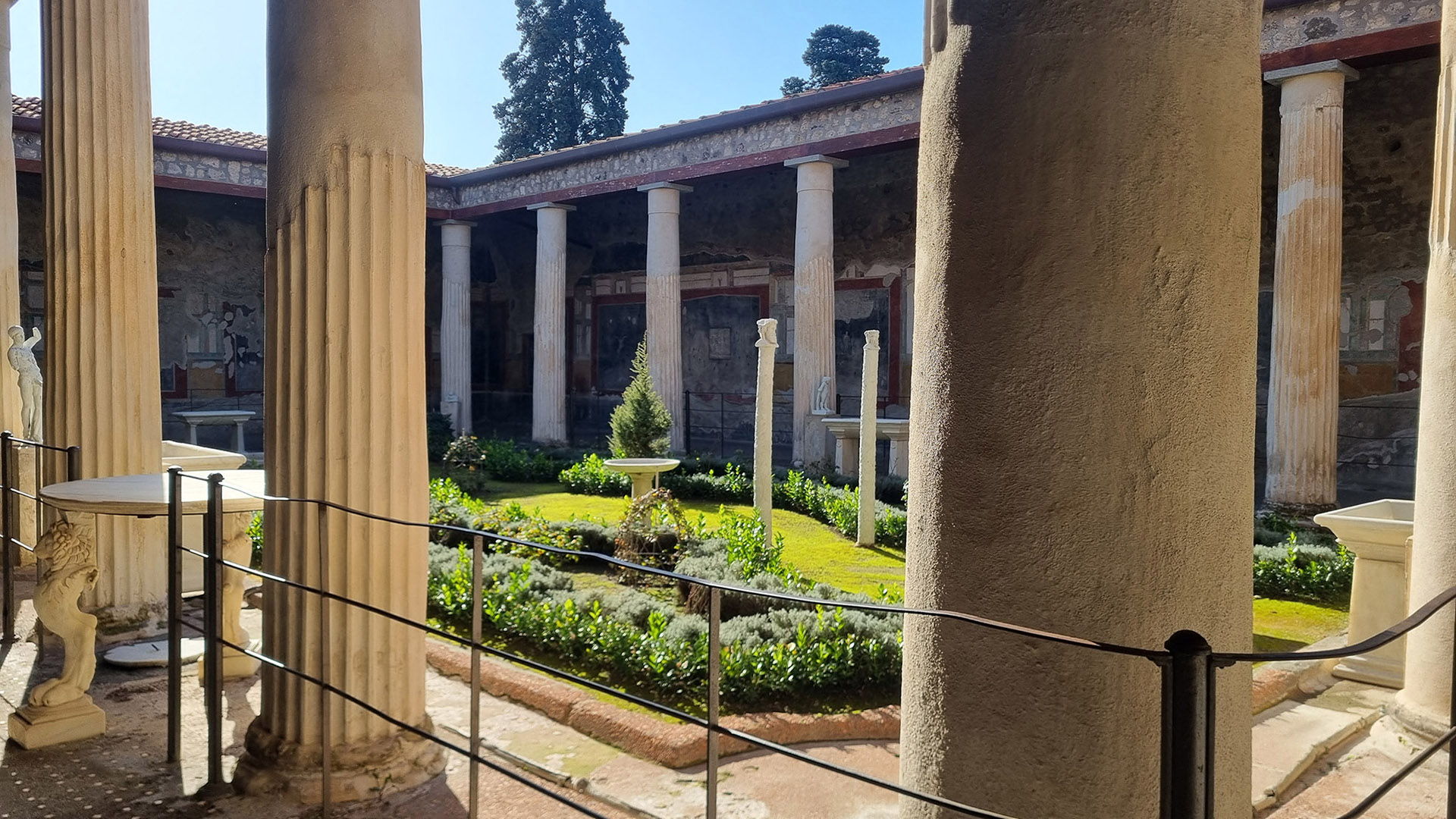
For centuries, the ruins of Pompeii and Herculaneum lay forgotten beneath layers of volcanic ash. It wasn’t until the 18th century that archaeologists began to unearth these ancient cities, revealing a remarkably well-preserved snapshot of Roman life. Frescoes, mosaics, and everyday artifacts remained intact, offering historians unparalleled insight into the world of antiquity.
The eruption of Mount Vesuvius serves as a powerful reminder of nature’s wrath and humanity’s vulnerability. Even today, Vesuvius remains an active threat, looming over modern-day Naples. Scientists closely monitor the volcano, knowing that history could one day repeat itself.
A Legacy of Destruction and Discovery
The tragedy of Pompeii and Herculaneum is a story of both destruction and preservation. Though thousands perished in one of history’s most infamous natural disasters, their legacy endures through the ruins that have captivated the world for centuries. The plaster casts of victims, the frescoes of lavish Roman villas, and the hauntingly preserved streets tell a tale of a civilization abruptly silenced yet never truly lost.
As we continue to study Vesuvius, we are reminded that while the past cannot be changed, the lessons it teaches remain invaluable. The eruption of 79 AD is not just a story of devastation—it is a testament to resilience, scientific discovery, and the enduring power of history.