The ancient city of Pompeii, preserved under volcanic ash since the catastrophic eruption of Mount Vesuvius in AD 79, has long captivated archaeologists and historians. Recent advancements in excavation techniques have not only unveiled new facets of Roman life but have also revolutionized the methodologies employed in archaeological digs. These innovations encompass interdisciplinary approaches, cutting-edge technologies, and a heightened emphasis on conservation and public engagement.
Interdisciplinary Approaches: Merging Sciences with Archaeology
Modern excavations at Pompeii have transcended traditional archaeological methods by integrating various scientific disciplines. In the Regio V area, for instance, experts in vulcanology, paleobotany, anthropology, and archaeozoology collaborate to provide a comprehensive understanding of the ancient city’s environment and its inhabitants. Massimo Osanna, former Director General of the Archaeological Park of Pompeii, emphasized that this multidisciplinary collaboration allows for thorough documentation of each excavation phase, enhancing our reconstruction of Vesuvian life and landscape as it was in AD 79.
A notable example of this interdisciplinary approach is the partnership between the Archaeological Park of Pompeii and the Massachusetts Institute of Technology (MIT). In 2024, excavations in Region IX, Insula 10, revealed a bustling construction site frozen in time. The discovery of work tools, stacked tiles, tuff bricks, and piles of lime provided insights into Roman construction techniques. Collaborative analysis suggested that ancient builders employed a “hot mixing” process, combining quicklime with pozzolanic sand and water to create durable cement. This method, previously hypothesized, was substantiated through material analysis conducted by the MIT team.
Technological Innovations: Enhancing Discovery and Preservation
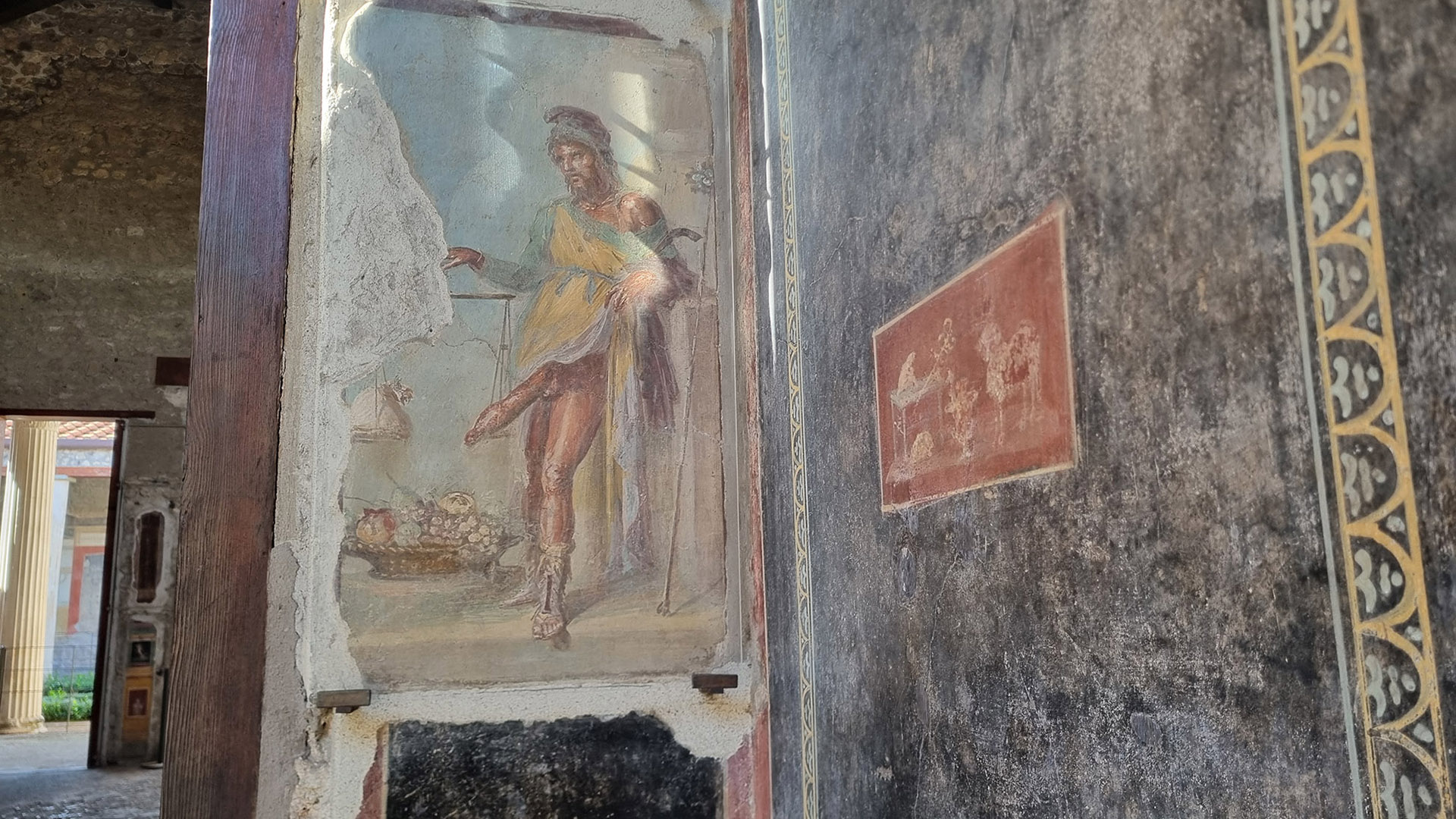
The adoption of advanced technologies has significantly augmented both the discovery process and the preservation of artifacts. In 2020, the use of laser scanning, ultrasound, and thermal imaging facilitated non-invasive analyses of frescoes, allowing researchers to assess deterioration levels without physical contact. These techniques have been instrumental in monitoring pigment fading, discoloration, and chemical composition changes, thereby informing more effective conservation strategies.
Additionally, synchrotron microtomography and neutron radiography have been employed to examine the microstructure and water absorption properties of ancient concrete samples from Pompeii. These analyses have revealed that, compared to modern Portland cement, Pompeian concrete exhibits higher porosity and lower connectivity, yet maintains similar capillary penetration coefficients. Such findings not only enhance our understanding of Roman engineering but also inform modern construction practices.
Conservation Efforts: Balancing Excavation with Preservation
While uncovering new areas of Pompeii offers invaluable insights, it also presents challenges related to conservation. The extensive stabilization of excavation fronts, particularly in unexcavated regions, represents one of the largest interventions since the post-war period. Efforts have focused on consolidating excavation fronts and addressing water accumulation issues to prevent structural damage. By 2019, significant progress had been made toward fully consolidating the archaeological area, ensuring its preservation for future generations.
Moreover, the conservation and restoration of Pompeian frescoes have benefited from technological advancements. The integration of digital architectural line drawings and archival photographs has enabled the creation of navigable 3D models of ancient buildings, facilitating virtual reconstructions of frescoes. These digital preservation efforts serve both as research tools and as means to engage the public with Pompeii’s rich artistic heritage.
Public Engagement: Making Excavations Accessible
Recognizing the importance of public engagement, the Archaeological Park of Pompeii has implemented initiatives to make ongoing excavations accessible to visitors. Since May 2024, daily tours have been offered in Region IX, Insula 10, allowing the public to observe active excavation sites. These tours follow accessible routes, including lifts and raised walkways, ensuring that individuals with special needs can experience the archaeological process firsthand.
This inclusive approach not only educates visitors about the latest discoveries but also fosters a deeper appreciation for the meticulous work involved in unearthing and preserving Pompeii’s treasures. By bridging the gap between researchers and the public, such initiatives enhance the cultural and educational value of the site.
Conclusion
The evolution of excavation techniques at Pompeii exemplifies the dynamic nature of archaeological research. Through interdisciplinary collaboration, technological innovation, dedicated conservation efforts, and proactive public engagement, the ancient city continues to reveal its secrets. These advancements not only enrich our understanding of Roman civilization but also set new standards for archaeological practices worldwide.
As excavations progress, the integration of diverse scientific fields and cutting-edge technologies promises to uncover further insights into the daily lives, architectural practices, and cultural expressions of Pompeii’s inhabitants. The commitment to preserving these findings while making them accessible ensures that the legacy of Pompeii will endure, offering lessons and inspiration for generations to come.